


Exploring cultural perspectives on gambling a journey through beliefs and traditions
The Historical Context of Gambling
Gambling has been a part of human civilization for thousands of years, with evidence dating back to ancient cultures such as the Chinese, Egyptians, and Romans. These early forms of betting often intertwined with social rituals, religious practices, and community bonding. For instance, dice made from animal bones have been uncovered in archaeological sites, highlighting how games of chance were integrated into daily life. Today, platforms like Tcl99 Casino also reflect how this ancient practice has evolved in modern contexts.

The evolution of gambling reflects the changing values and norms of societies. In ancient Rome, for example, citizens would gamble during festivals and public events, viewing it as a form of entertainment and socialization. Conversely, in some cultures, gambling was seen as taboo, leading to varying perspectives on its moral implications. Understanding this historical backdrop provides insight into the contemporary views on gambling around the world.
Gambling in Different Cultures
Cultural beliefs significantly shape attitudes toward gambling. In many Indigenous cultures, for example, gambling serves not only as a pastime but also as a means of cultural expression and community cohesion. Games may involve traditional elements and rituals, emphasizing the connection between the game and cultural identity.
In contrast, in parts of the Middle East, gambling is often prohibited due to religious beliefs that view it as immoral. This divergence in perspectives illustrates how cultural values influence the acceptance or rejection of gambling practices across different societies. These contrasting views create a rich tapestry of beliefs, informing how gambling is perceived and integrated into various lifestyles.
The Psychological Aspects of Gambling
The psychological factors surrounding gambling are deeply intertwined with cultural contexts. For instance, in cultures that celebrate risk-taking and adventurous behavior, gambling may be viewed as an acceptable outlet for excitement. Conversely, in cultures that prioritize stability and caution, gambling can be perceived as reckless and irresponsible.
Moreover, psychological motivations such as thrill-seeking, escapism, and social bonding play significant roles in why individuals engage in gambling. The cultural interpretation of these motivations can either encourage gambling behaviors or stigmatize them, affecting community attitudes and individual choices related to betting activities.
The Impact of Modernization on Gambling Traditions
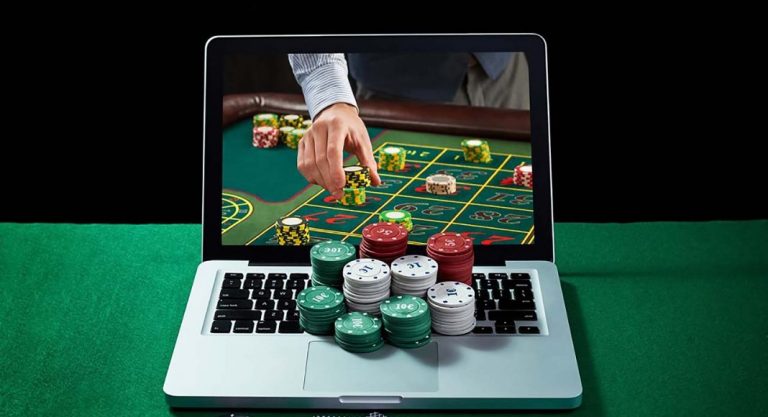
As societies modernize, traditional gambling practices often undergo transformation. The advent of technology has brought forth online gambling, allowing individuals to engage in betting from the comfort of their homes. This shift has significantly impacted cultural views, as some see online platforms as a more accessible and less socially intrusive way to gamble.
However, modernization has also led to concerns about gambling addiction and its social consequences. Communities that once celebrated gambling as a cultural tradition may now grapple with the negative implications associated with its contemporary forms. This duality highlights the need for a nuanced understanding of how modernization reshapes cultural perspectives on gambling.
The Role of Tcl99 Casino in the Modern Gambling Landscape
Tcl99 Casino stands out in the modern gambling scene by offering a diverse array of games and appealing promotions. With a wide selection of licensed games, it caters to various tastes, making it an engaging platform for both seasoned players and newcomers. The site’s commitment to quick cash-out times ensures that players can enjoy their winnings without unnecessary delays.
Moreover, Tcl99 Casino embraces the cultural diversity of its users, creating an inclusive environment where different perspectives on gambling can thrive. By facilitating a seamless gaming experience, it plays a crucial role in shaping contemporary attitudes toward gambling while respecting the rich traditions that inform these beliefs.